David sinned by taking a census of Israel out of his pride, he built an altar of atonement (1Chr 21:18-26). In Chapter 22, we see that his repentance toward God did more than restore him – it redirected him. Rather than focusing on rebuilding his army or his reputation, David humbled himself and poured his all into preparing a temple that he would ultimately never see completed.
Verse 19 summarises the main message of this passage: seek the Lord first, cleanse yourself, and then you can serve Him effectively.
Preparing ourselves - a cleaned vessel for God's work
David gathered materials in “abundance” for the temple (1Chr 22:3-5). He didn’t collect a half-hearted stockpile, but an outpouring. In our service to the Lord, our zeal for His works is often strong in seasons of blessing, but when we face trials, do we ‘store up’ enough conviction and devotion to Him to sustain us through these times? Especially when where we’re tempted to rely on our own strength instead of God’s? David’s abundant preparation works can be directly contrasted with those of the Israelites who returned from Babylonian captivity, whose hearts were not fully devoted to the Lord but were distracted by opposition and adversity.
But, the abundance of materials wasn’t David’s only offering. He reminds us in verses 11-12 remind us that all works – and the strength and wisdom to do them – come from God. Our efforts are only pleasing to Him only when paired with a heart that keeps His law (cf 1Sam 15:22 – ‘to heed is better than sacrifice’).
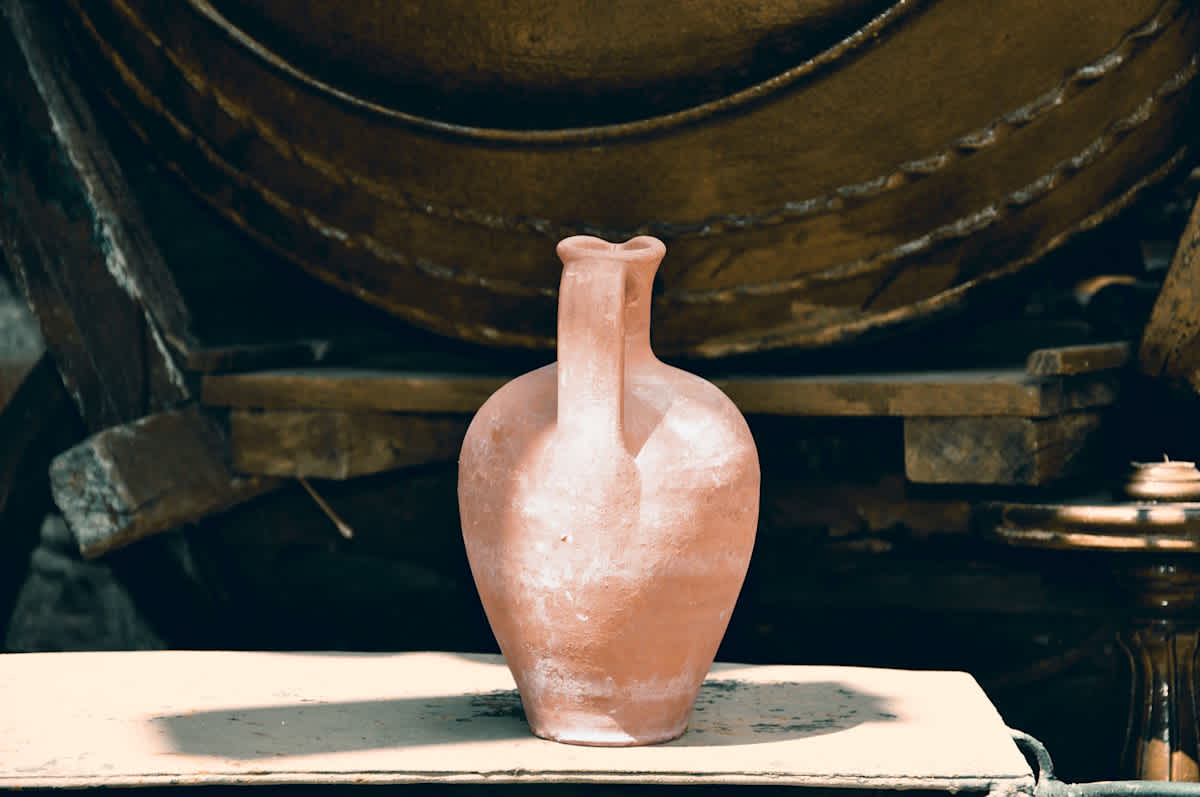
God doesn’t ask for already perfected vessels, only cleansed ones (2Tim 2:20-21) and those with a willing heart to give their best to Him (2Cor 8:12). We see David as an example of this by dealing with his sin before he started preparing materials and by giving his best God. Thus, we can ask ourselves whether we have fully cleansed our hearts and devoted our lives in obedience to God before we serve Him.
Passing on the work - every part does its share
In verses 6-10, David charges Solomon to build the temple he has prepared for and does not hold anything back. We see no record of resentment that another would receive the honour, nor does he cling to the materials he’d gathered, or offer anything less than the best. This stands in sharp contrast to Absalom, who wanted the throne for his own glory. David shows us how to pass down the work with full trust in the fulfilment of God’s plans.
This trust in God permeates into how he mobilises the whole nation for the work, choosing “skillful men” with varied talents (1Chr 22:15-16). No single person, not even David, was meant to carry the workload alone. Likewise today, the church is built of many parts (people) working in unity to bring glory to God and edify/build up each other (1Cor 12:12-31, Eph 1:1-16). Part of loving God’s house means creating space and opportunities for others to serve, valuing their offerings and stirring up their hearts to ‘arise’ and take part in holy works (Lev 6:14-15, 1Chr 22:19).
Reflection questions
What is the state of my heart? Have I truly ‘stored up’ my conviction and devotion to the Lord such that I obey Him in all I do, in every season of life?
Am I a clean and willing vessel such that the Lord can use me for His service?
Is there any way I can mobilise others to take part in church work? My family, friends, or even members I see on a weekly basis?